

Fixing an overbite yourself isn’t advisable and can lead to serious dental issues. While you might consider quick fixes, DIY treatments often fail to address underlying problems and could worsen your alignment, risking pain and damage.
Professional evaluation is essential to avoid complications like gum recession and enamel wear.
If you’re experiencing jaw pain or a noticeable overbite, seeking professional help is critical for a tailored approach to treatment that benefits your oral health.
There’s more important information available on this topic.
Key Takeaways
- Self-correcting an overbite is ineffective; professional treatment is essential for proper alignment and function.
- DIY methods like veneers do not address underlying dental issues and can lead to further complications.
- Unsupervised adjustments may cause serious dental harm, including chipped enamel and misalignment.
- Regular jaw exercises and proper tongue posture can support alignment but cannot replace professional care.
- If experiencing jaw pain or significant overbite, consult an orthodontist for appropriate treatment options.
Understanding Overbites: Types and Causes
Understanding overbites is essential because they can considerably impact both your dental health and overall well-being.
Overbite types include skeletal and dental variations, often influenced by genetic factors. Your jaw structure may inherit abnormalities, leading to increased susceptibility to malocclusion. Genetic factors are the primary causes of overbite, highlighting the importance of understanding your family’s dental history. Correcting an overbite can significantly enhance facial aesthetics, improving both appearance and function.
Family history plays a significant role, as certain genetic traits can affect maxillary growth and soft-tissue function, like tongue posture.
Additionally, childhood habits like thumb-sucking and tongue thrusting can exacerbate these issues.
The Limitations of Self-Correction Methods
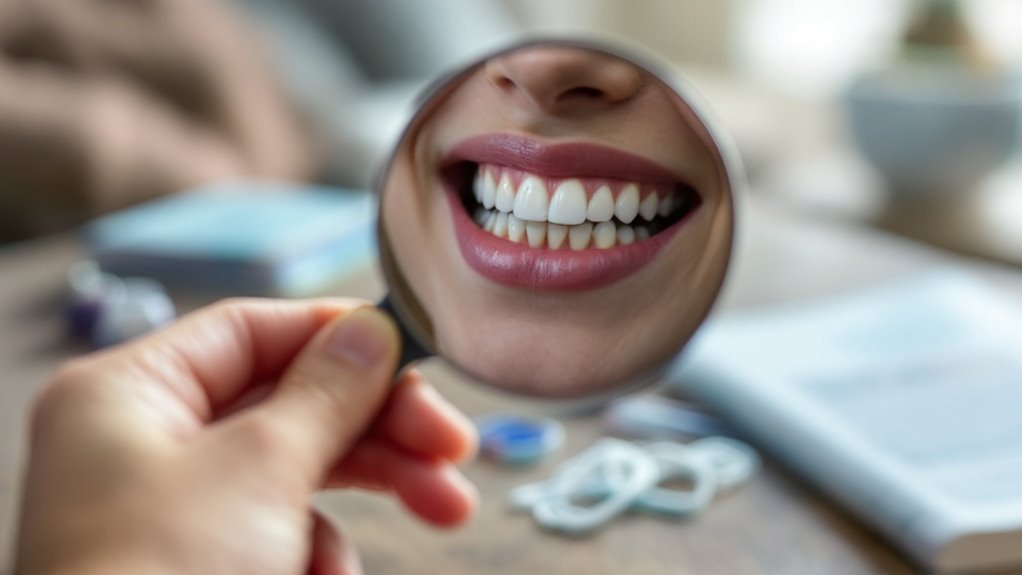
While recognizing the causes of overbites is important, it’s equally essential to understand the limitations of self-correction methods.
You’ll face significant self-correction challenges, as overbites require professional intervention for effective treatment.
DIY treatment pitfalls, like cosmetic veneers or partial bonding, fail to address the underlying alignment issues, risking further complications. Improper adjustments can lead to TMJ pain, enamel damage, and even relapse. Additionally, these methods often miss critical adjustments needed for proportional facial alignment. Without expert guidance, you may worsen your condition, leading to costly remediation and additional health issues, including breathing difficulties and chronic pain. Moreover, proper bite alignment is crucial for long-term mouth health, making it clear that self-correction is often insufficient.
Risks of Unsupervised DIY Approaches
Attempting to correct an overbite through unsupervised DIY methods can lead to numerous risks that might compromise your dental health.
You may encounter self-harm risks, such as dislodged teeth or chipped enamel from improper techniques. Ignoring professional guidance could worsen your alignment, resulting in deeper overbites or new bite issues. Additionally, you might face severe dental consequences, including gum recession and increased plaque retention, heightening the risk of periodontal disease. Without proper evaluation, underlying skeletal issues may remain untreated, delaying necessary interventions. Ultimately, attempting DIY methods could jeopardize your oral health and well-being, making professional advice essential. Furthermore, many believe that overbites can only be corrected in childhood, leading them to underestimate the potential for effective treatment in adulthood. Consulting with an orthodontist is crucial, as they are specifically trained to address jaw alignment issues and provide tailored solutions for all ages.
Identifying Practical Self-Care Strategies
When it comes to managing an overbite, implementing practical self-care strategies can make a significant difference in your dental health. Focus on proper tongue posture and incorporate jaw exercises into your daily routine. Here’s a table to help guide you through effective self-care strategies:
| Strategy | Description | Benefits |
|---|---|---|
| Jaw Exercises | Strengthen jaw muscles through targeted movements | Improved alignment |
| Tongue Posture | Rest tongue against the roof of the mouth | Supports jaw growth |
| Mouthguards | Protect teeth during sports or nighttime grinding | Prevents wear and misalignment |
| Oral Hygiene | Regular brushing and flossing | Maintains dental health |
| Monitor Changes | Self-assess alignment and wear | Early detection of issues |
In addition to these strategies, it’s important to recognize that an excessive overlap of teeth can lead to complications, so early intervention is crucial.
When to Seek Professional Help
How can you tell if your overbite requires professional intervention? If you experience jaw pain, tooth erosion, or difficulty chewing, it’s vital to seek help.
Early intervention is key, especially if your overbite measures over 4mm or you notice visible teeth overlapping considerably. Additionally, if you’ve tried self-care methods without improvement or face complications like gum disease, professional guidance is essential. An orthodontist can assess your bite alignment through evaluations and X-rays, creating a tailored treatment plan that may include braces or surgery.
Deep overbites can lead to chronic pain and discomfort, which further emphasizes the importance of timely intervention. Don’t wait; addressing these issues promptly can prevent further complications and costly procedures down the line.
Frequently Asked Questions
Can Mewing Really Help in Correcting an Overbite?
Mewing may offer some benefits for jaw alignment, potentially improving slight overbites with consistent practice. However, its effectiveness remains largely unproven, and professional guidance is essential for lasting results and to avoid complications.
What Exercises Can Strengthen Jaw Muscles at Home?
To strengthen your jaw muscles at home, try jaw clenching and chewing exercises. Clench your jaw while resisting pressure, and chew on softer foods to engage different muscle groups effectively, enhancing strength and endurance over time.
Are There Specific Foods to Avoid With an Overbite?
With an overbite, you should avoid hard foods like nuts and raw vegetables, as they can strain your jaw. Sticky sweets, such as caramel and taffy, can also worsen discomfort. Prioritize softer, gentler options instead.
How Long Does It Take to See Improvement From Self-Care Strategies?
Self-care timelines for overbite improvement are often indefinite. Without professional guidance, you won’t see clear improvement indicators. Professional orthodontic treatment is essential for effective, timely results, addressing both functional and aesthetic concerns thoroughly.
Will an Overbite Affect My Speech or Eating Habits?
An overbite can notably affect your speech clarity and lead to eating discomfort. Misalignment may cause articulation issues and hinder efficient chewing, impacting both communication and digestion. Seeking professional advice is essential for effective solutions.
Conclusion
While it might be tempting to try fixing your overbite yourself, statistics show that nearly 70% of DIY orthodontic attempts lead to complications. These issues can range from worsening your bite to damaging your teeth or gums. It’s essential to prioritize your oral health by consulting a professional. They can provide tailored solutions that guarantee not only effective treatment but also your long-term dental well-being. Don’t risk your smile; seek expert guidance instead.


