
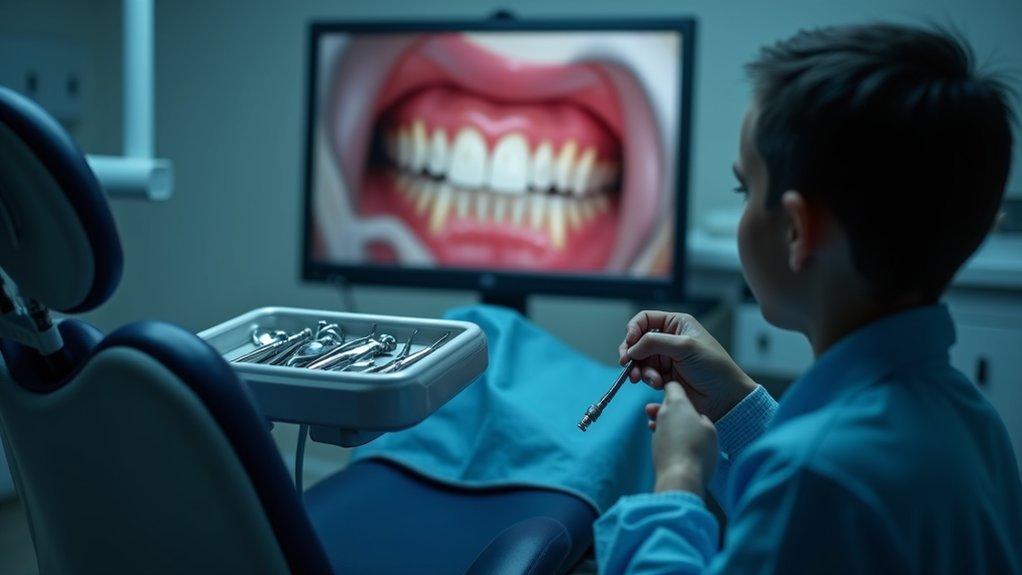
Orthodontists don’t remove wisdom teeth; they focus on evaluating their position and impact on your dental alignment. If necessary, they refer you to oral surgeons for extraction, especially if your wisdom teeth are impacted or could disrupt your treatment. Regular assessments are essential in coordinating care between your orthodontist and surgeon for best results. Understanding when and why to see a specialist can help preserve your dental health and treatment integrity. Explore more about this critical aspect of orthodontics.
Key Takeaways
- Orthodontists do not perform wisdom teeth extractions; they refer patients to oral surgeons or general dentists for this procedure.
- Their primary role is to assess the positioning of wisdom teeth and monitor potential crowding during orthodontic treatment.
- Impacted wisdom teeth can complicate orthodontic outcomes, making timely removal important for treatment success.
- Regular evaluations by orthodontists help determine the need for extractions before or during braces or aligners treatment.
- Coordination between orthodontists and oral surgeons ensures comprehensive care and tailored treatment plans for patients.
Understanding Wisdom Teeth
Wisdom teeth, or third molars, usually emerge between the ages of 17 and 25, but not everyone develops all four. Understanding these teeth is crucial, as impacted wisdom teeth can lead to complications like pain, infection, and misalignment. While some individuals may have enough jaw space to accommodate their wisdom teeth without issues, others might require tooth extractions to prevent further dental problems. If you experience discomfort, swelling, or difficulty opening your mouth, consulting a dental professional is necessary. Additionally, wisdom teeth are vestigial structures with no current purpose, which can contribute to their problematic nature. Leaving wisdom teeth untreated may lead to increased risk of cavities and other complications that could impact your overall oral health. Early intervention can mitigate the need for extensive orthodontic treatment and guarantee ideal dental health moving forward. Furthermore, gum disease associated with untreated wisdom teeth can exacerbate complications, making timely evaluation essential.
The Role of Orthodontists
As an orthodontist, you focus on teeth alignment and bite correction, utilizing your expertise to assess how wisdom teeth may affect overall dental health. You collaborate closely with oral surgeons and general dentists to create extensive treatment plans, ensuring any necessary wisdom tooth extractions are timed appropriately with orthodontic treatments. Your role is vital in monitoring potential crowding and shifting, providing valuable insights throughout the patient’s care journey. Additionally, addressing the risk of injury associated with wisdom tooth removal is essential for ensuring a safe and effective treatment process. Understanding the treatment options for dental bone loss is also crucial, as it may influence decisions regarding the timing of extractions and subsequent orthodontic care. Regular dental checkups can also help in evaluating whether the wisdom teeth are impacting the alignment of other teeth.
Specialization in Orthodontics
Orthodontists play a pivotal role in dental health by specializing in the correction of teeth alignment and bite issues. Their expertise lies in developing thorough treatment plans, primarily using braces and aligners for effective orthodontic care. Regular dental checkups are essential for preventing gum disease, which can impact overall dental health and orthodontic progress. Understanding the impact of dental implants can also inform decisions regarding potential tooth replacements during treatment.
While they assess the impact of wisdom teeth on alignment, orthodontists typically don’t perform wisdom teeth removal; that responsibility falls to oral surgeons or general dentists. However, orthodontists coordinate closely with these specialists, making sure that any necessary extractions are considered in the overall treatment plan. This collaboration guarantees that your orthodontic progress remains uninterrupted and successful throughout your treatment journey. Additionally, orthodontists ensure proper growth of jawline and teeth structure in children, which is crucial for optimal alignment.
Collaborative Care Approach
When evaluating your dental alignment, the role of an orthodontist extends beyond just braces and aligners; they actively collaborate with oral surgeons to secure thorough care.
Here’s how they contribute:
- Assess the positioning and impact of wisdom teeth on your orthodontic treatment.
- Coordinate with oral surgeons for necessary wisdom teeth extraction.
- Conduct early evaluations to prevent complications from wisdom teeth eruption.
- Assure open communication to tailor treatment plans to your needs.
- They may also recommend seeking a second opinion if there are discrepancies in treatment recommendations regarding wisdom teeth extraction.
Can Orthodontists Remove Wisdom Teeth?
While many patients wonder whether their orthodontist can remove wisdom teeth, it’s important to understand that most orthodontists don’t perform these extractions themselves.
They typically refer you to oral surgeons or general dentists for this procedure. Your orthodontist can assess the positioning of your wisdom teeth and identify potential issues affecting your orthodontic treatment.
If wisdom teeth are partially impacted, they’ll likely recommend extraction to prevent complications. Some orthodontists may handle simple extractions, but complex cases are best managed by oral surgeons.
Coordination between your orthodontist and oral surgeon guarantees thorough care throughout your treatment journey.
When to See an Oral Surgeon
Recognizing the right time to consult an oral surgeon can greatly impact your dental health, especially concerning wisdom teeth.
Consider seeing an oral surgeon if you experience:
- Severe pain or discomfort around your wisdom teeth.
- Swelling or tenderness in your jaw or gums.
- Signs of infection, such as fever or pus.
- Partially erupted wisdom teeth that may damage adjacent teeth.
Orthodontists often refer patients to oral surgeons for complex cases, particularly when teeth are impacted.
Oral surgeons have the expertise and tools necessary for safe extractions, ensuring ideal outcomes for your dental care.
Recovery and Aftercare
After having your wisdom teeth extracted, it’s essential to prioritize recovery and adhere to the aftercare instructions provided by your oral surgeon.
Expect some swelling and discomfort for a few days; applying ice packs can help reduce these symptoms.
Expect swelling and discomfort for several days; ice packs can effectively alleviate these symptoms.
Stick to a soft foods diet for the first week—options like soups, mashed potatoes, and smoothies are ideal to prevent irritation.
Maintain oral hygiene by gently rinsing with saltwater and brushing carefully, avoiding the extraction site.
Monitor for complications such as excessive bleeding or severe pain, and contact your dental provider if you notice any concerning symptoms during recovery.
Coordinated Care
When managing your orthodontic treatment, understanding the role of collaboration between your orthodontist and oral surgeon is essential.
Regular assessments of your wisdom teeth help identify potential issues early, ensuring your treatment plan remains effective.
If necessary, your orthodontist will refer you to a specialist for extraction, creating a seamless change in your care.
Role of Collaboration
Collaboration between orthodontists and oral surgeons is essential for guaranteeing thorough dental care, particularly regarding the management of wisdom teeth.
Consider these aspects:
- Orthodontists evaluate the impact of wisdom teeth during treatment planning.
- They refer patients to maxillofacial surgeons for wisdom teeth removal when necessary.
- Coordinated care prevents complications during orthodontic treatment.
- Effective communication guarantees the timing of extractions aligns with treatment plans.
This multidisciplinary approach enhances patient outcomes, addressing potential issues while maintaining orthodontic integrity.
Importance of Assessments
Assessments play a vital role in coordinated care between orthodontists and oral surgeons, particularly concerning wisdom teeth management.
Regular assessments allow you to evaluate the positioning and growth of wisdom teeth through X-rays, essential for determining if extraction is needed prior to or during orthodontic treatment. This early evaluation can prevent complications, ensuring ideal alignment outcomes.
Additionally, ongoing assessments help identify issues arising from wisdom teeth eruptions, enabling timely interventions.
Referral to Specialists
While you may be focused on achieving ideal alignment through orthodontic treatment, understanding the role of referrals to specialists is vital for extensive dental care. Here’s why:
- Orthodontists typically refer you to oral surgeons for wisdom teeth extractions.
- Collaborative care guarantees a thorough treatment plan tailored to your unique needs.
- Early evaluation helps identify potential complications during your orthodontic journey.
- Referrals address challenges associated with impacted wisdom teeth, like nerve proximity.
This coordinated care between orthodontists and oral surgeons is significant for maintaining peak dental health and alignment throughout your orthodontic process.


