

Veneers can enhance the aesthetics of your smile, but won’t fix the underlying issues of an underbite. They’re ideal for mild to moderate cases, helping mask lower tooth prominence. However, veneers don’t correct the bite itself.
Combining them with other dental treatments may improve alignment.
For long-lasting results, it’s important to evaluate various types of veneers and proper maintenance. Discover how to best address your underbite concerns and the best options for your smile.
Key Takeaways
- Veneers can enhance the aesthetics of mild to moderate underbites but do not correct the underlying bite issue.
- They are effective in masking lower tooth prominence but require healthy teeth and fully developed jawbones.
- Porcelain veneers offer durability, while composite veneers are more cost-effective for minor adjustments.
- Combining veneers with other dental treatments may help balance the bite for better results.
- Long-term maintenance, including proper oral hygiene and regular dental check-ups, is essential for veneer longevity.
Understanding Underbites and Their Impact on Aesthetics
Understanding underbites is essential, especially if you’re considering cosmetic dental solutions.
Underbite causes often include genetic factors, childhood habits, or injuries that disrupt jaw development. These misalignments can lead to significant aesthetic implications, such as a “bulldog-like” appearance and an unbalanced smile that affects your confidence. Severe underbites can lead to noticeable jaw protrusion, which may draw unwanted attention during conversations, impacting your self-esteem and professional interactions. Additionally, nonsurgical methods like muscle strengthening exercises can support jaw repositioning and enhance overall jaw function.
By addressing these concerns, you not only improve your smile but also enhance your overall well-being.
Recognizing the aesthetic impact of underbites can motivate you to explore effective treatment options for a more harmonious appearance.
When Are Veneers a Viable Option for Underbites?
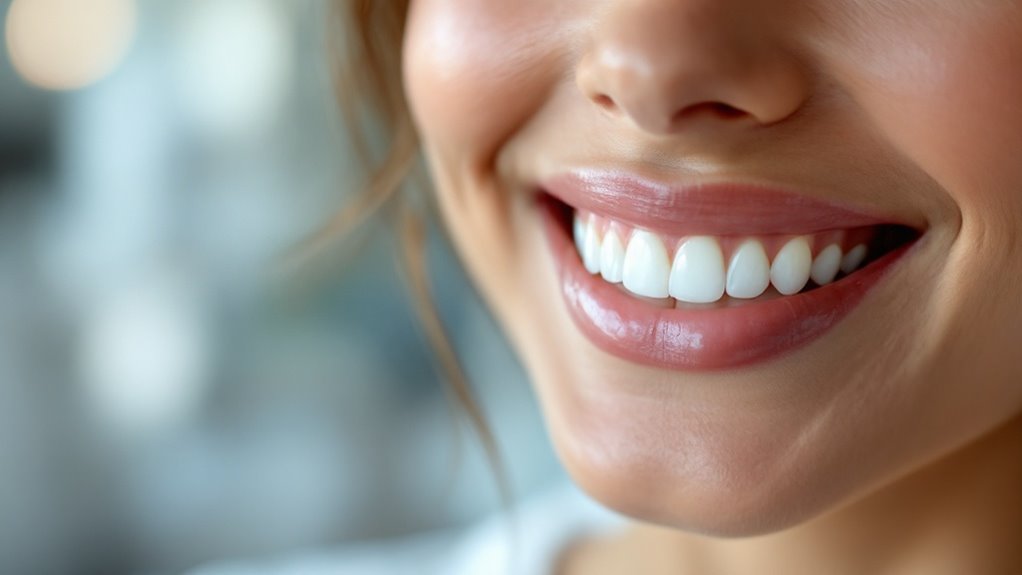
If you’re dealing with an underbite, you might wonder whether veneers could be a suitable solution for improving your smile.
Veneers are viable for mild to moderate underbites, focusing on aesthetic enhancement techniques rather than correcting jaw alignment. To meet the veneer candidacy criteria, you’ll need healthy teeth and gums, along with a fully developed jawbone. Genetics can influence jaw and teeth development, which may play a role in your underbite condition.
If you’re seeking a non-surgical option to address tooth misalignment or discoloration, veneers can effectively mask lower tooth prominence.
However, remember they won’t fix underlying bite issues and might require careful planning to guarantee stability and long-term success.
Methods for Correcting Underbites With Veneers

While veneers aren’t a definitive solution for correcting an underbite, they can play a significant role in enhancing your smile.
Various veneer techniques can provide aesthetic improvements tailored to your unique facial features. For instance, combining veneers with other dental treatments may offer a more balanced bite. Jaw misalignment is a common issue that can be addressed alongside veneer treatment to improve both function and appearance.
Bite repositioning techniques can also help align your teeth, while aesthetic camouflage uses veneers to mask imperfections.
Additionally, multi-step approaches guarantee a thorough treatment plan, yielding durable, stain-resistant results.
If you’re looking for fast treatment with minimal recovery, veneers might be the right choice for you, especially if extensive treatments aren’t an option.
Evaluating Different Types of Veneers for Underbite Treatment
When exploring options for treating an underbite, evaluating different types of veneers can provide valuable insights into achieving a more balanced smile.
- Porcelain Veneers: Durable, stain-resistant; ideal for long-term results. Orthodontic approach is often recommended as a classical method for improving malocclusions like underbites. Additionally, Venlay restorations can reshape teeth and support jaw alignment without the need for traditional braces. It is important to note that crowns can also be used to protect and restore teeth affected by misalignment. In cases of microdontia, genetics plays a significant role in the development of dental issues that may accompany an underbite.
- Composite Veneers: Cost-effective, easily repaired; suitable for minor adjustments.
- Snap-On Veneers: Temporary solution; removable, non-invasive.
- Minimally Invasive Options: Less tooth alteration; preserves natural structure.
- Benefits Assessment: Analyze aesthetic improvements, functionality, and longevity.
Consider candidate suitability and risk factors, including potential sensitivity and maintenance needs, to guarantee the best veneer material aligns with personal dental health goals.
Long-Term Considerations and Maintenance for Veneers
Maintaining your veneers over the long term is essential for ensuring their durability and aesthetic appeal.
To enhance veneer longevity, follow these maintenance tips:
- Brush twice daily with non-abrasive fluoride toothpaste and floss regularly. Establishing a consistent oral hygiene routine is crucial in preserving the health of both your veneers and natural teeth. Additionally, be sure to select a toothbrush with soft bristles to avoid damaging your veneers. It is important to remember that flossing at least once a day is essential for maintaining overall oral health.
- Avoid biting hard objects like ice or pens to prevent chipping.
- Schedule biannual dental check-ups for monitoring and cleaning.
- Use protective night guards if you grind or clench your teeth.
Frequently Asked Questions
Can Veneers Completely Correct an Underbite?
Veneers can’t completely correct an underbite due to their limitations. While they offer significant aesthetic improvements, they primarily mask alignment issues rather than address underlying causes, meaning functional bite corrections may still be necessary.
Are Veneers Suitable for Children With Underbites?
Veneers aren’t suitable for children with underbites. Instead, focus on children’s dental needs through effective underbite treatment, like orthodontic appliances. These methods promote healthy jaw growth, addressing underlying issues rather than masking symptoms with cosmetic solutions.
How Long Do Veneers Last on Average?
Veneer lifespan varies—porcelain lasts 10-15 years, while composite averages 5-7 years. With proper veneer maintenance, including regular checkups and good hygiene, you can greatly extend their durability and enjoy a beautiful smile longer.
Will Insurance Cover Veneer Treatment for Underbites?
Steering through insurance policies can feel like a labyrinth, but understanding coverage for veneers is essential. Many plans won’t cover veneer costs for underbites unless functional issues arise. Always check your specific policy for details.
Can Veneers Cause Further Dental Issues?
Yes, veneers can lead to complications like tooth sensitivity, gum irritation, and dental alignment issues. It’s essential to consult a skilled professional to minimize risks and guarantee your veneers fit properly, promoting overall oral health.
So then, can veneers fix an underbite?
In summary, while veneers can enhance your smile, they’re not a one-size-fits-all solution for underbites.
Think of veneers like a beautiful frame on a canvas; they can improve aesthetics but won’t fix the underlying issues. It’s essential to consult with a dental professional to explore all your options, including orthodontics.
By understanding the limitations and possibilities of veneers, you can make an informed decision that best suits your needs and goals.


